
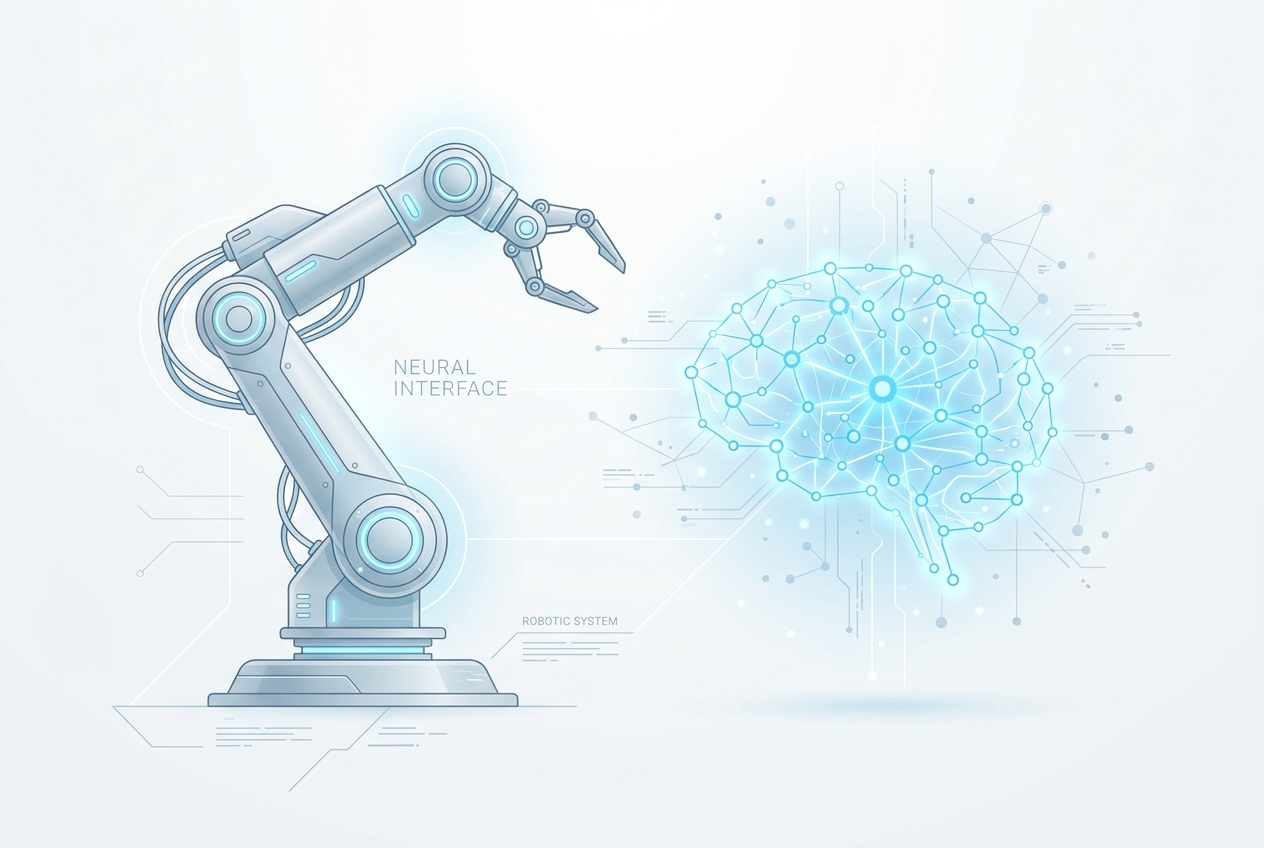
The Shift from Rule-Based to Reasoning-Based Automation
For the past decade, Robotic Process Automation (RPA) has been the go-to technology for enterprise automation. It excel at taking highly repetitive, structured tasks—like copying data from spreadsheets into ERP systems—and executing them at lightning speeds.
However, the rise of Large Language Models (LLMs) and cognitive computing has introduced a new paradigm: AI Agents (or Agentic Automation).
This has led many developers and IT leaders to ask: Is RPA dead? Should we stop building traditional bots and focus entirely on AI Agents?
Let's explore the fundamental differences and look at how these technologies are merging to shape the future of digital workflows.
1. RPA vs. AI Agents: A Comparison of Core Pillars
To understand how both systems operate, we must compare their core computational pillars:
| Capability | Traditional RPA | LLM-Driven AI Agents |
|---|---|---|
| Logic Engine | Hardcoded, rule-based scripts (if/else paths). | Cognitive reasoning via Large Language Models (LLMs). |
| Data Handling | Requires highly structured input (CSV, database tables). | Thrives on unstructured inputs (emails, chats, PDFs, voice). |
| Decision Making | Strict paths; crashes when hitting unexpected variables. | Autonomous planning; dynamically selects tools to solve issues. |
| UI Interaction | Direct click-and-type on predefined screen coordinates. | Semantic layout analysis; understands page actions. |
2. Rule-Based Execution vs. Cognitive Reasoning
Traditional RPA: The Digital Factory Worker
Think of traditional RPA as a factory worker operating a mechanical assembly line. The bot does exactly what it is programmed to do. If it is programmed to copy column A to column B, it will execute that task perfectly, millions of times. However, if a vendor changes the invoice layout, or if an email arrives in a different language, the bot hits an exception, halts execution, and requires developer intervention.
AI Agents: The Autonomous Digital Consultant
AI Agents function more like an analytical virtual employee. Armed with cognitive reasoning, an AI Agent is given a high-level goal: "Inspect this incoming vendor email, determine if their invoice matches our purchase order details, and request corrections if they don't match." If the layout of the invoice changes, the AI Agent uses LLM reasoning to identify the invoice number and line items. If a dispute arises, the agent can draft a context-aware email response based on your company's dispute policy.
3. The Future is Hybrid: Agentic Automation
The debate is not about choosing RPA over AI Agents; it is about orchestration. In fact, AI Agents cannot replace RPA completely, because AI Agents need RPA to act as their "hands".
While an AI Agent is excellent at reading, planning, and making decisions, it is not optimized to log into a legacy mainframe terminal, click through 15 desktop screens, and enter a transaction. That task is highly structured and perfectly suited for a fast, low-cost RPA bot.
The Hybrid Agentic Workflow:
- The Inbound Gatekeeper (AI Agent): Reads a messy customer complaint email, analyzes the customer sentiment, categorizes the request, and extracts the invoice details.
- The Decision Planner (AI Agent): Consults the corporate database, plans the resolution pathway, and verifies if the refund is approved.
- The Executive Executor (RPA Bot): Logs into the legacy desktop ERP system, processes the refund transaction, locks the records, and generates a confirmation ID.
- The Response Writer (AI Agent): Summarizes the outcome and drafts a polite customer update email.
How to Prepare for the Agentic Wave
For developers entering the automation industry, this shift represents a massive opportunity. Engineers who can bridge the gap between traditional RPA orchestrations (UiPath, Power Automate) and AI Agentic developer frameworks (LangChain, AutoGen, custom MCP servers) will be the most sought-after professionals in tech.
At RPAVault, we actively prepare our students for this future. Our Advanced Agentic RPA UiPath and flagship RPA Agentic (UiPath + Power Automate) tracks teach developers how to construct cognitive, LLM-enabled automation architectures that solve real enterprise problems.